Why Do People Choose Handcrafted Gifts in India for Special Occasions?

Gift-giving holds deep social meaning in Indian society. Special occasions such as weddings, festivals, housewarmings, and milestones call for objects that carry more than surface value. Recipients and givers often look for items that reflect thought, cultural roots, and lasting quality. Academic studies on material culture and social exchange show that people prefer objects with clear human involvement because these items strengthen relationships and signal respect. This preference shapes many choices made across households and communities.
Handcrafted Gifts in India as Expressions of Care
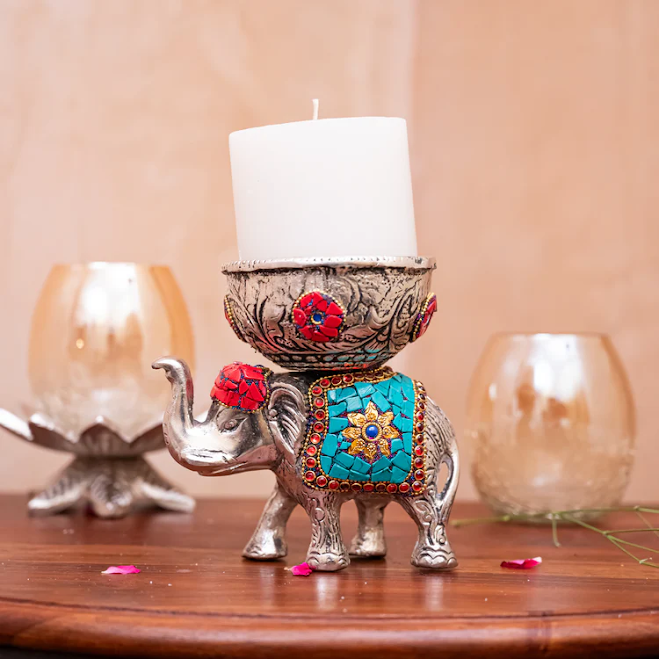
Handcrafted Gifts in India stand out because each piece carries the mark of individual skill. Unlike uniform factory products, these items show slight variations that come from the maker’s hand. Anthropological research on South Asian gift practices notes that such uniqueness helps the gift feel personal rather than transactional. Families and friends select these pieces when they want the recipient to sense genuine attention.
Traditional techniques used in different regions add another layer of meaning. Embroidery, metalwork, pottery, and wood carving connect the gift to specific cultural histories. Experts in cultural heritage observe that objects made with inherited methods help keep local knowledge visible during celebrations. Buyers often value this link because it turns a simple exchange into a small act of cultural continuity. The time invested by the artisan also becomes part of the gift’s worth, giving it emotional weight that mass-produced alternatives rarely match.
Role of Bulk Gifting in Group Celebrations
Bulk Gifting meets the practical needs of large gatherings while still allowing room for thoughtful selection. Weddings, corporate events, and community festivals often require dozens or hundreds of similar items. Organisers choose handcrafted options in quantity because they combine efficiency with a sense of individuality. Studies on collective rituals in India highlight that shared gifts reinforce group bonds when the items feel carefully chosen rather than purely functional.
Coordinated bulk orders also support craft clusters. When multiple pieces are sourced together, artisans receive steadier work and clearer schedules. Development research on rural livelihoods points out that predictable volume helps families plan income and maintain skill transmission. Recipients still experience the gift as special because the craftsmanship remains visible even when many identical or related pieces are distributed. This balance between scale and care explains why bulk approaches remain common for major occasions.
German Silver Plated Gifts and Their Lasting Appeal

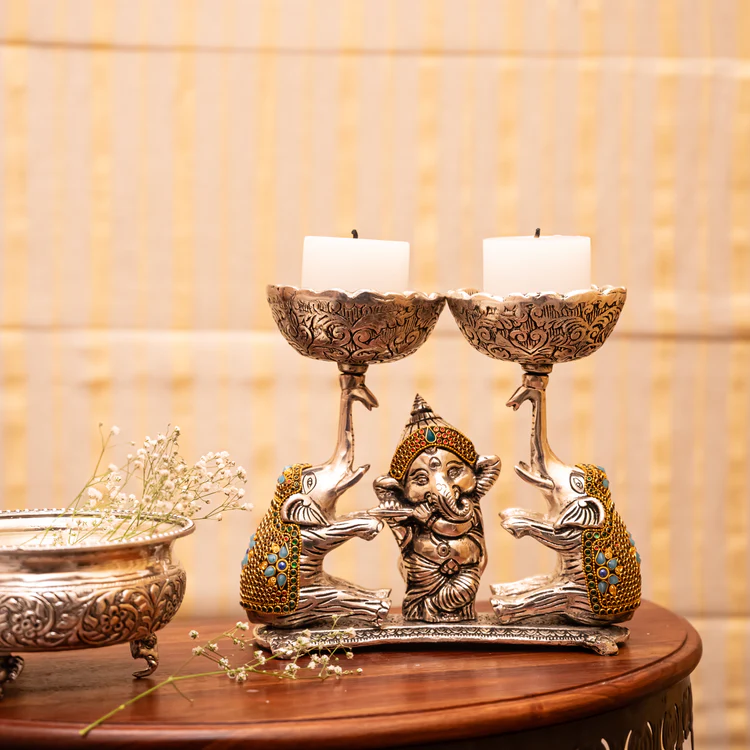
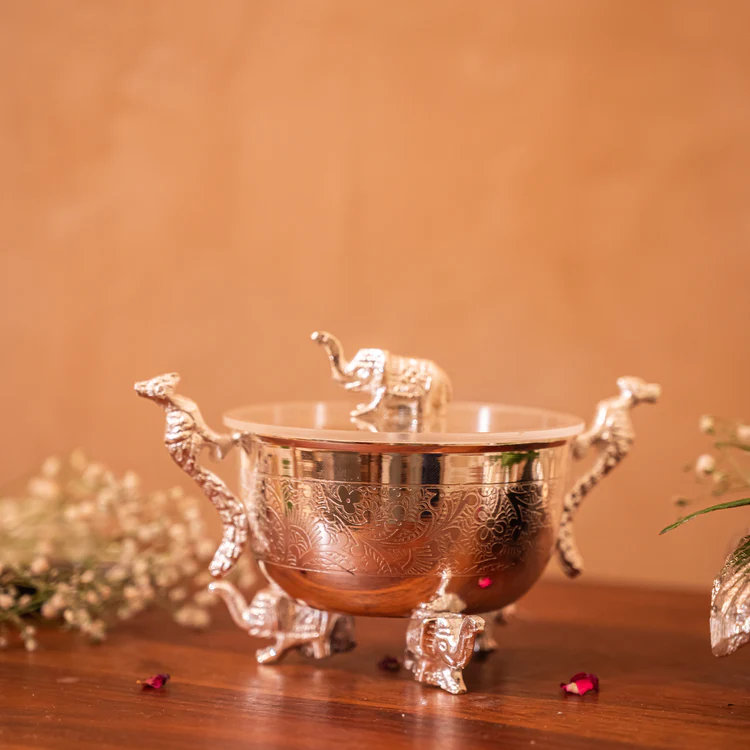
German Silver Plated Gifts attract attention for their combination of appearance and practicality. The material offers a bright finish that resembles traditional silver while remaining more accessible for everyday and ceremonial use. Material culture scholars note that such plated items have long held a place in Indian households because they balance aesthetic preference with durability. People select them for occasions that call for elegance without the higher cost or maintenance of pure silver.
These pieces often appear as trays, bowls, idols, or decorative sets. Their resistance to tarnish under normal conditions makes them suitable for repeated display or use. Academic reviews of domestic material practices show that objects which age gracefully tend to stay in circulation longer and therefore carry stronger emotional associations. When given during festivals or life events, the lasting shine and solid feel reinforce the idea that the relationship itself is expected to endure.
Cultural Meaning Behind Occasion-Based Choices
Special occasions in India frequently blend religious, social, and family elements. Gifts chosen for these moments are expected to align with the values of the event. Handcrafted pieces often incorporate motifs, colours, or forms that match the occasion’s spirit. Research in the anthropology of festivals indicates that objects carrying cultural symbols help participants feel connected to shared traditions.
The act of selecting a crafted gift also reflects the giver’s awareness of the recipient’s background. A piece linked to a particular region or craft tradition can acknowledge the other person’s roots or interests. This sensitivity strengthens the social message of the exchange. Experts on Indian social relations emphasise that gifts function as ongoing conversations rather than one-time transfers, and handcrafted items support that ongoing quality.
Personal Connection and Emotional Value
People frequently report that receiving a handcrafted object feels more intimate. The visible labour and slight imperfections signal that someone spent time creating the piece. Psychological studies on gift perception suggest that evidence of human effort increases the perceived thoughtfulness of the gesture. In the Indian context, this effect is amplified by cultural expectations around hospitality and respect.
Over time, many recipients keep these gifts on display or bring them out during later celebrations. The continued presence of the object keeps the original relationship active in memory. This long-term visibility distinguishes crafted gifts from items that are used once and discarded. Material culture research confirms that objects retained and reused accumulate personal histories that pure utility items rarely develop.
Sustainability and Ethical Dimensions
Growing awareness of environmental and social impact influences some purchasing decisions. Handcrafted production often relies on local materials and smaller-scale processes. Academic work on sustainable livelihoods notes that such methods can reduce transport distances and support community-based economies. Buyers who prioritise these factors find alignment between their values and the nature of the gift.
Ethical considerations also include fair returns to makers. When purchases move through channels that recognise artisan labour, a larger portion of value stays with the producers. Development studies document that stable demand for crafted goods helps maintain traditional skills and reduces pressure on younger generations to leave craft communities. These broader effects form part of the reasoned choice many people make when selecting gifts for important occasions.
Practical Factors That Guide Selection
Durability matters for gifts intended to last. Handcrafted metal, wood, and textile items frequently outlast cheaper alternatives. Practical experience shared across households shows that well-made pieces remain usable or displayable for years. This longevity supports the cultural preference for gifts that continue to represent the relationship.
Variety across price ranges and styles also helps. Crafted options exist for different budgets and tastes, allowing givers to match the item to the occasion and the recipient. The availability of both individual pieces and coordinated sets makes planning for single or group events more straightforward. These practical advantages combine with the cultural and emotional reasons already noted.
Read Also: How Do Indian Artisans Create Handmade Gifts in India?
Conclusion
People choose handcrafted gifts for special occasions in India because these objects combine personal meaning, cultural resonance, and lasting quality. The visible skill of the maker, the suitability for both individual and group giving, and the enduring appeal of materials such as plated metal all contribute to the decision. Academic perspectives on gift exchange, material culture, and livelihood systems help explain why such choices persist. When a gift carries clear human effort and cultural connection, it strengthens the social ties that occasions are meant to celebrate. This combination of practicality and deeper significance continues to guide selections across diverse settings.
Frequently Asked Questions (FAQs)
Que. Why do handcrafted items feel more personal than factory-made ones?
Ans. Each piece shows small variations from the maker’s hand. This uniqueness signals individual attention and effort, which studies on gift perception link to stronger feelings of thoughtfulness.
Que. How does bulk selection still keep a sense of care?
Ans. Coordinated orders allow organisers to choose quality crafted pieces in volume. The craftsmanship remains visible to each recipient even when many similar items are distributed at the same event.
Que. What makes plated metal items suitable for repeated occasions?
Ans. They offer a bright finish and reasonable durability under normal household use. Their lasting appearance helps them stay relevant for later celebrations or everyday display.
Que. Do cultural motifs play a real role in gift choice?
Ans. Yes. Motifs and forms linked to festivals or regional traditions help the gift align with the occasion’s values and strengthen the recipient’s sense of shared heritage.
Que. Can choosing crafted gifts support wider community benefits?
Ans. Steady demand helps artisans maintain skills and income. Research on rural economies shows that consistent orders contribute to skill transmission and more stable household planning.
Comments
Post a Comment