What Makes Handcrafted Gifts in Jaipur Special and Meaningful?

Jaipur stands as a living center of artistic skill where objects made by hand carry stories of skill, patience, and cultural memory. Visitors and residents alike notice how everyday materials turn into pieces that feel personal rather than mass-produced. This makes Handcrafted Gifts in Jaipur especially meaningful for those seeking items that reflect the city’s artistic traditions and local craftsmanship. The value of these items rests not only in their appearance but in the human effort and local knowledge that shape them. Scholars of material culture often point out that objects created through traditional methods gain meaning because they connect the giver, the maker, and the receiver across time.
Cultural Roots Behind Handcrafted Gifts in Jaipur
The city developed as a royal capital where rulers supported skilled workers in metal, textile, stone, and lac. Workshops still follow methods passed through families for generations. Each piece reflects regional tastes in color, pattern, and form. Academic studies of Rajasthan crafts note that the continued practice of these techniques preserves both technical knowledge and social identity. When someone chooses such an object as a present, the act itself becomes a quiet acknowledgment of that shared history. The items avoid the uniformity of factory goods and instead show slight variations that mark them as individual.
Materials and Techniques That Shape Unique Pieces
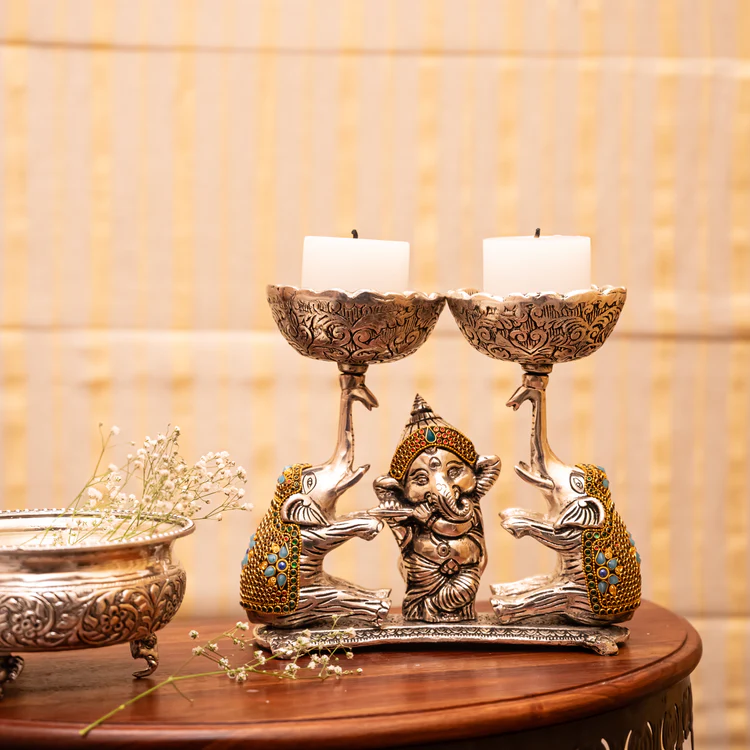
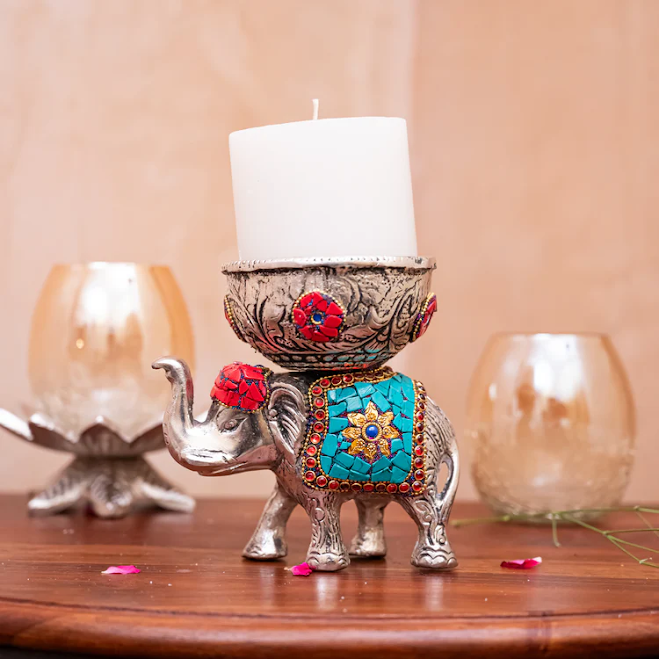
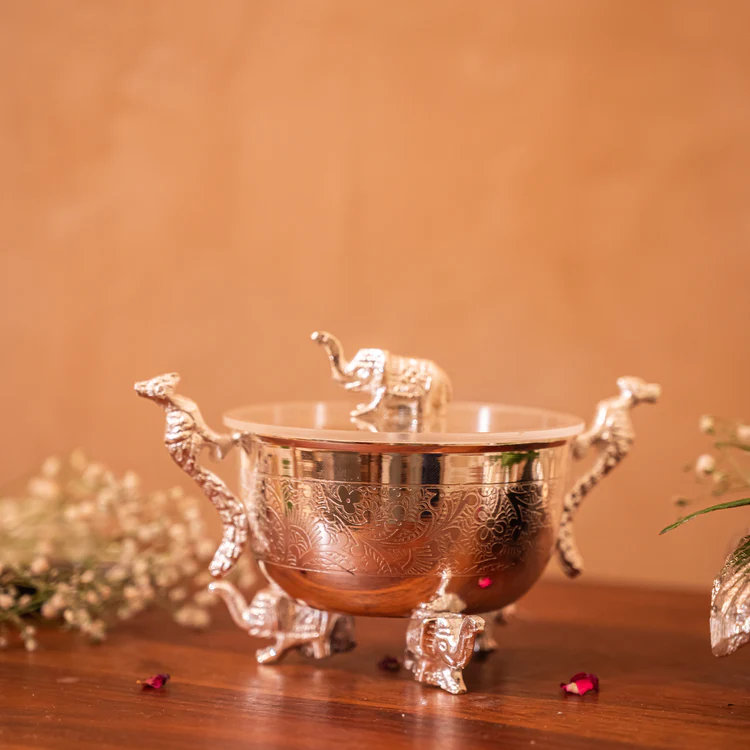
Artisans work with locally available substances such as brass, silver, marble, wood, and dyed fabrics. Techniques include engraving, meenakari enamel work, block printing, and lac coating. These processes demand steady hands and years of practice. Researchers in craft history observe that the physical properties of the materials influence the final form, so each object carries traces of both environment and human decision. The resulting gifts feel substantial and intentional. Recipients often sense the time invested, which adds emotional weight beyond the surface design.
Role of Artisans in Creating Meaningful Objects
Many makers live and work in the same neighborhoods where their grandparents practiced the same craft. This continuity builds a sense of responsibility toward quality and authenticity. Ethnographic accounts describe how apprentices learn not only technique but also the social rules of the trade. The finished work therefore embodies both skill and community values. Giving such an object communicates respect for the maker as much as affection for the receiver. In academic terms, the gift functions as a social binder that links different lives through a shared material object.
Why Handcrafted Gifts in Jaipur Hold Emotional Value

People seek presents that feel thoughtful rather than convenient. Objects made by hand meet that need because they cannot be repeated exactly. Small differences in color or line become marks of individuality. Cultural anthropologists argue that these imperfections increase rather than decrease value, since they prove human presence. In Jaipur, the combination of traditional motifs and personal variation produces gifts that recipients keep and display rather than discard. The emotional resonance grows from the knowledge that real hands shaped the piece over hours or days.
Wholesale Gift Items Available Through Local Networks
Buyers who need larger quantities often turn to established trading networks in the old city markets. These channels supply Wholesale Gift Items that still originate from the same artisan groups. Bulk arrangements allow institutions or groups to obtain consistent quality while supporting many small workshops at once. Studies of craft economies show that such wholesale systems help sustain livelihoods without forcing makers to abandon traditional methods. The items remain recognizably local even when ordered in volume, preserving the connection between origin and final use.
Corporate Gift Hampers as Practical Expressions of Appreciation
Companies frequently select assembled collections that combine several handcrafted pieces into one presentation. Corporate Gift Hampers of this kind usually include textiles, small metal objects, and packaged local specialties. Organizational research on workplace gifting indicates that recipients value items that reflect care and regional character more than generic branded products. The hampers therefore serve both as tokens of recognition and as quiet introductions to Jaipur craftsmanship. When prepared thoughtfully, they avoid appearing purely commercial and instead convey genuine regard.
Connection Between Traditional Skill and Modern Gifting Practices
Contemporary buyers still prefer objects that feel rooted rather than trendy. Academic analyses of consumption patterns note a steady interest in items that carry visible traces of human work. In Jaipur, this preference finds ready expression through the city’s established craft sectors. The same techniques that once served royal patrons now meet the needs of families, friends, and organizations. Continuity of method does not prevent adaptation; makers adjust scale and finish to suit present-day uses while retaining core practices. The result is a living tradition rather than a museum piece.
Social and Ethical Dimensions of Choosing Local Crafts
Selecting gifts produced by local hands supports households that depend on specialized skill. Economic studies of the craft sector emphasize that fair payment and stable demand help maintain both quality and community stability. When buyers understand the labor involved, they tend to treat the objects with greater care. Ethical considerations therefore form part of the meaning itself. The gift becomes more than a transaction; it participates in a wider system of mutual recognition between makers and users.
How These Gifts Differ From Machine-Made Alternatives

Factory products achieve uniformity and speed, yet they rarely convey the same sense of origin. Comparative research on material culture shows that hand-finished surfaces and slight irregularities register as signs of authenticity. In Jaipur, the combination of historical technique and individual execution produces objects that feel singular. Recipients respond to that singularity by remembering both the giver and the place of origin. The difference is not merely aesthetic; it is experiential.
Read Also: What Makes Handcrafted Gifts in Jaipur Special and Meaningful?
Conclusion
Handcrafted objects from Jaipur gain their special character from the meeting of long-practiced skill, local materials, and human attention. They carry cultural memory while remaining useful in everyday life. Whether chosen for personal occasions or assembled for larger groups, these items communicate thoughtfulness through the evidence of real work. Their meaning arises from the continuity of craft traditions and from the quiet respect they show toward both maker and receiver. In a world of rapid production, such gifts continue to matter because they remind people of the value of time, care, and place.
Frequently Asked Questions (FAQs)
Que. What qualities make handcrafted items from this city feel more personal than factory goods?
Ans. Slight variations in finish, visible tool marks, and the use of traditional motifs create a sense of individuality that machine production cannot replicate. Recipients often notice the human effort involved, which strengthens the emotional link between giver and receiver.
Que. How do wholesale channels support the continuation of local craft skills?
Ans. Steady bulk orders provide artisans with reliable income, allowing them to maintain workshops and train younger workers. This economic stability helps keep traditional techniques active rather than forcing makers into other occupations.
Que. Why do organizations prefer assembled collections of local crafts for professional occasions?
Ans. Such collections combine practical usefulness with cultural character, conveying appreciation without relying on generic branding. Research on workplace recognition suggests that recipients value the regional origin and visible craftsmanship.
Que. In what ways do traditional methods influence the final appearance of these objects?
Ans. Techniques such as enamel work, block printing, and hand engraving leave characteristic textures and color patterns that cannot be exactly duplicated by machines. These traces of process become part of the object’s identity.
Que. How does the choice of locally made gifts relate to broader social considerations?
Ans. Supporting skilled households through fair purchase helps sustain community knowledge and economic independence. Academic observers note that this choice turns a simple exchange into a form of mutual recognition between different groups.
Comments
Post a Comment