How Can Handcrafted Gifts Preserve Indian Culture?

Indian culture lives through practices that connect people across generations. Craft skills form one of the strongest links in this chain. When objects made by hand move from maker to recipient, they carry techniques, motifs, and stories that might otherwise remain confined to a single family or village. Academic work on intangible cultural heritage shows that material objects often serve as active carriers of knowledge. Gifts, because they travel and change hands, extend that knowledge beyond its original setting.
Handmade Gifts in India and Transmission of Heritage
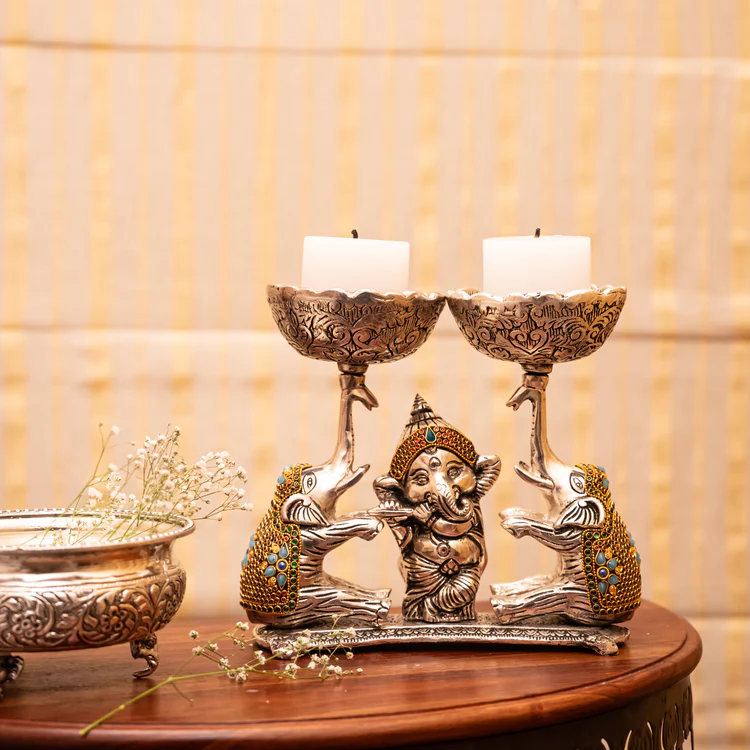
Handmade Gifts in India function as portable records of regional identity. A piece of block-printed cloth, a carved wooden box, or a hand-thrown ceramic vessel encodes decisions about colour, form, and material that have been refined over decades. Cultural anthropologists note that the act of giving such an object creates a moment of recognition. The recipient learns, even if only through quiet observation, that certain patterns belong to specific communities and that the labour behind them follows established methods. This quiet transfer of awareness helps keep traditional knowledge visible in everyday life rather than restricting it to museums or archives.
Families and neighbourhoods that continue to produce these items also maintain the social settings in which skills are taught. Children watch parents and relatives at work. Over time, they absorb not only technical steps but also the values attached to careful making. Research on intergenerational learning in South Asian craft communities confirms that informal observation remains one of the most effective ways of passing on complex techniques.
Role of Handmade Gifts India in Community Practices
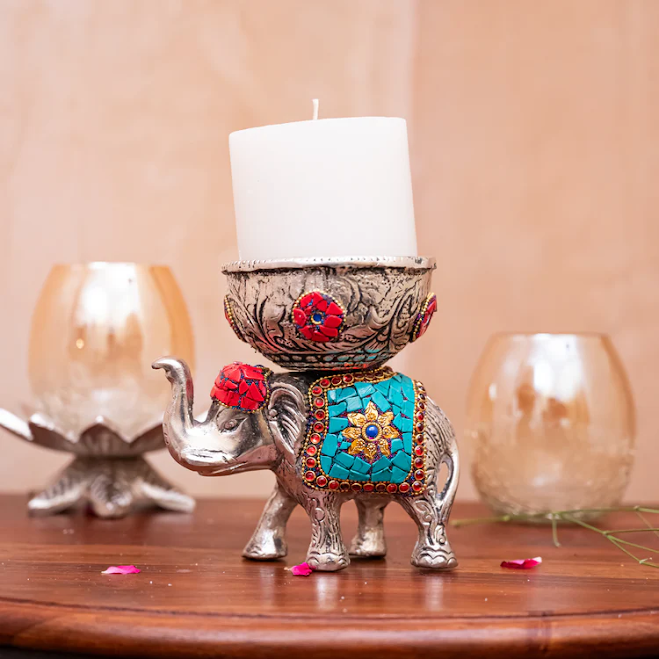
Handmade Gifts India appear regularly in life-cycle events and seasonal celebrations. Weddings, housewarmings, and harvest festivals often involve the exchange of objects that reflect local aesthetics. These exchanges reinforce shared meanings. A particular style of embroidery or a distinctive metal finish signals belonging and continuity. Sociologists studying ritual economies observe that the repeated use of handcrafted items during such occasions strengthens collective memory. People remember not only the object but the circumstances in which it was given and received.
The same objects also travel between regions. A craft form associated with one state may reach distant households through gift exchange. This movement creates awareness of India’s internal diversity without requiring formal education. Recipients encounter unfamiliar techniques and materials, which expands cultural literacy at a personal level.
Handcrafted Corporate Gifts in India for Professional Settings
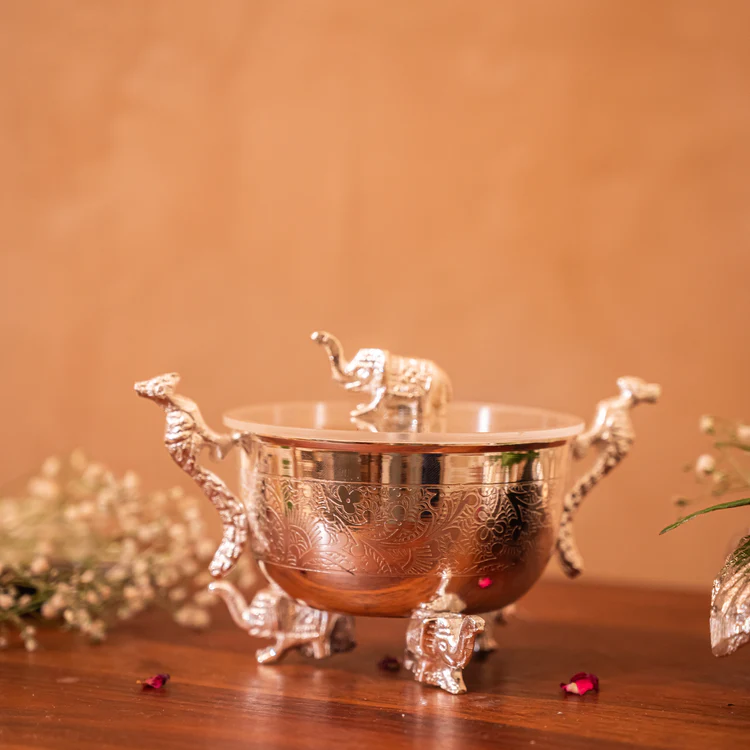
Handcrafted Corporate Gifts in India bring traditional forms into offices, conferences, and formal meetings. When organisations choose items made by artisans rather than mass-produced alternatives, they introduce craft knowledge into professional environments. Management studies on organisational culture note that objects placed in shared spaces can shape everyday perceptions. A handwoven textile or a small brass artefact on a desk becomes a quiet reminder of skills that exist outside industrial production.
This presence also creates demand that supports artisan livelihoods. Steady orders from institutional buyers encourage continuity of practice. Economic research on craft sectors shows that diversified markets, including professional ones, reduce dependence on purely seasonal or local sales. As a result, makers can plan longer production cycles and invest time in training younger participants.
Skill Continuity Across Generations

Preservation of culture depends on people who still know how to make things. When demand for handcrafted objects remains steady, families see a practical reason to teach the next generation. Young people who might otherwise leave for urban wage work sometimes stay and learn. Longitudinal studies of craft households indicate that economic viability is closely linked to the survival of technical knowledge. Without buyers, skills risk becoming ornamental rather than functional.
Training often occurs inside the production process itself. Apprentices learn while contributing to actual orders. This method keeps knowledge embedded in real materials and tools rather than abstract lessons. Educational research on informal apprenticeship systems highlights the effectiveness of learning that is tied to concrete outcomes.
Regional Diversity in Craft Expressions
India’s cultural landscape is marked by strong regional differences in materials, tools, and visual languages. One area specialises in natural dyes, another in metal casting, a third in bamboo or clay. When these distinct forms appear as gifts, they keep the differences visible. Cultural geographers argue that the circulation of regionally specific objects counters the homogenising pressure of uniform industrial goods. Each gift becomes a small assertion of local identity within a larger national space.
Cross-regional exchange also encourages mutual recognition. People in one part of the country encounter the aesthetic logic of another part. Over time this builds a more nuanced understanding of shared yet varied heritage.
Challenges in Sustaining Traditional Knowledge
Artisan communities face rising material costs, competition from machine-made copies, and limited access to design information that respects traditional forms. Academic analyses of craft economies identify these pressures as common threats to continuity. Coordinated efforts that link makers with reliable buyers can ease some of the strain. Transparent pricing and shared logistics allow more of the final value to reach the people who hold the skills.
Design collaboration that listens to existing techniques rather than overwriting them helps objects remain relevant without losing authenticity. When traditional forms adapt carefully to contemporary use, they retain cultural meaning while finding new contexts.
Broader Social Impact of Craft Practice

Beyond the objects themselves, the practice of making supports social structures. Cooperatives and self-help groups that organise production also create forums for collective decision-making. Members gain experience in record-keeping, quality discussion, and shared problem-solving. Social science literature on rural institutions links these organisational habits to stronger local networks and mutual support.
Women form a large part of many craft traditions. Access to markets through gift channels converts domestic skills into recognised economic activity. Gender studies of Indian handicrafts document increased agency and mobility for women who earn through these routes. Cultural preservation therefore intersects with social equity.
Read Also: How Do Gift Hampers Support Indian Artisans?
Conclusion
Handcrafted gifts preserve Indian culture by keeping techniques, motifs, and social meanings in active circulation. They support the people who hold specialised knowledge, encourage intergenerational teaching, and carry regional identities into new settings. Whether exchanged within families, during festivals, or in professional environments, these objects function as living links rather than static relics. Continued attention to fair value distribution, respectful design dialogue, and steady market access strengthens the conditions under which traditional skills can remain practical and meaningful. In this way, the simple act of giving and receiving helps sustain the cultural fabric of the country.
Frequently Asked Questions (FAQs)
Que. How do handcrafted objects help keep traditional techniques alive?
Ans. Regular demand creates practical reasons for families to continue teaching skills. When young people see that craft work can provide income, they are more likely to learn and practise the methods themselves.
Que. Why do gifts play a special role in cultural transmission?
Ans. Gifts move between people and places. Each exchange introduces techniques and visual forms to new audiences, extending knowledge beyond the original community of makers.
Que. Can traditional crafts remain relevant in modern professional spaces?
Ans. Yes. When carefully made items appear in offices and formal settings, they introduce craft knowledge into everyday professional life and create additional markets for artisan work.
Que. What role do regional differences play in cultural preservation?
Ans. Distinct regional styles keep India’s internal diversity visible. The circulation of these varied forms prevents cultural expression from becoming uniform.
Que. How does economic support affect the survival of craft knowledge?
Ans. Steady income allows makers to invest time in training the next generation. Without viable livelihoods, specialised skills risk disappearing within a few decades.
Comments
Post a Comment