What Types of Handmade Gift Hampers Are Popular in India?

Gift-giving traditions across India often favour assembled collections over single objects. These collections, known as hampers, bring together complementary handmade items that share a theme, material, or purpose. Popular forms of Gift Hampers reflect seasonal festivals, personal milestones, and social rituals while drawing on regional craft skills in metal, textile, ceramic, and other media. Understanding the main types helps explain why certain combinations continue to circulate widely.
Festival Collections and Handmade Festival Gifts in India
Seasonal celebrations generate steady demand for themed assemblies. Festival hampers typically combine decorative objects with consumable items such as sweets or dry fruits. Visual emphasis often falls on reflective surfaces, warm tones, and motifs linked to prosperity or light.
Handmade Festival Gifts in India frequently incorporate small metal trays, containers, or accent pieces produced through established workshop techniques. The handmade element supplies surface variation and material character that distinguish these sets from purely industrial alternatives. Packaging that protects contents during transport remains important because many such hampers travel between cities or across family networks.
Diwali-related assemblies form one recurring category. They commonly feature metallic accents alongside edible items, aligning with the festival’s focus on illumination and shared hospitality. Other regional festivals produce parallel variations that adapt local materials and symbolic forms while retaining the overall hamper structure.
Personal Milestone Sets Including Handmade Wedding Anniversary Gifts in Jaipur
Personal occasions call for different emphases. Anniversary gifts tend to prioritise refined detail, durable construction, and forms suited to shared domestic use. Workshops in centres known for metalwork and finishing produce pieces that meet these expectations.
Handmade Wedding Anniversary Gifts in Jaipur often draw on the city’s long association with skilled metal and decorative crafts. Small trays, boxes, or paired items finished with care appear in many such selections. The focus rests on proportion, surface quality, and lasting utility rather than temporary ornament. Couples or families selecting these gifts typically look for objects that integrate into everyday settings while carrying a sense of deliberate making.
Tokens Distributed at Ceremonies as Wedding Return Gifts
Large social gatherings, especially weddings, involve the distribution of tokens to guests. Practicality, consistency across quantity, and ease of transport rank high among selection criteria.
Wedding Return Gifts therefore favour compact, well-finished objects that recipients can use or display without difficulty. Metal forms feature regularly because they combine visual presence with structural strength. When assembled into small hampers or presented as coordinated sets, these items maintain uniformity while still showing evidence of hand processes such as engraving, polishing, or shaping.
The scale of many wedding events encourages standardised yet thoughtfully prepared packages. Consistency in size, weight, and finish across hundreds of units supports efficient distribution and a coherent overall impression.
Material-Focused Assemblies with Brass Gift Items

Certain materials recur because of their working properties and cultural associations. Brass responds well to casting, chasing, engraving, and polishing, yielding durable objects with distinctive surface qualities.
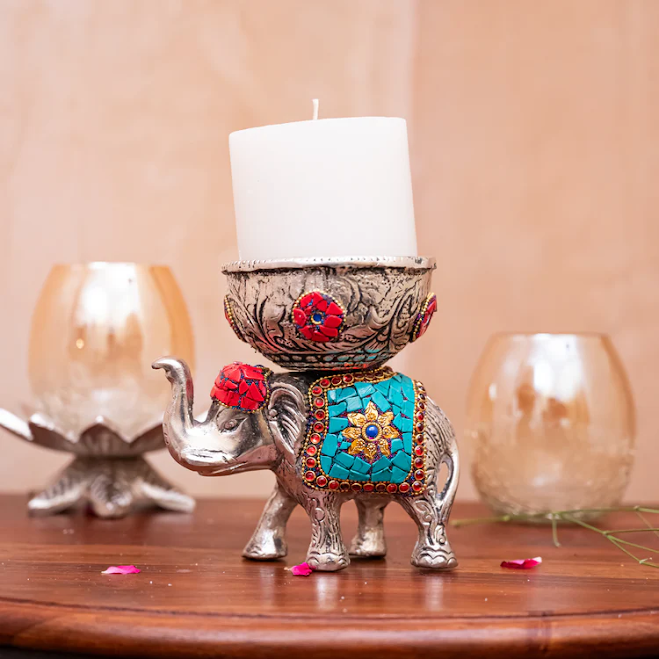
Brass Gift Items appear across multiple hamper types - festival sets, domestic occasions, and return-gift packages. Trays, bowls, small containers, and decorative accents produced in brass contribute weight and presence that balance lighter or perishable components. The material’s capacity for both simple geometric patterning and more detailed ornament allows flexibility in design while remaining practical for transport and later use.
Workshops experienced with brass maintain process controls that support both individual pieces and moderate batch production. This capacity helps assemblers construct hampers that retain hand character even when quantities increase.
Specialised Metal Work in German Silver Plated Gifts
Another alloy category occupies a visible place in contemporary gifting. German silver, a nickel-containing alloy, provides a bright, workable base that accepts plating and fine surface treatment.
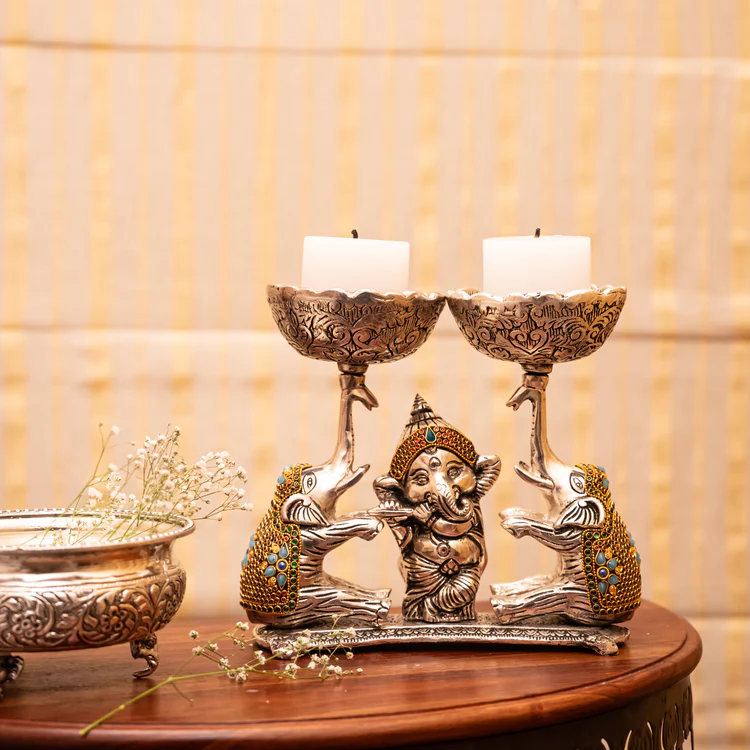
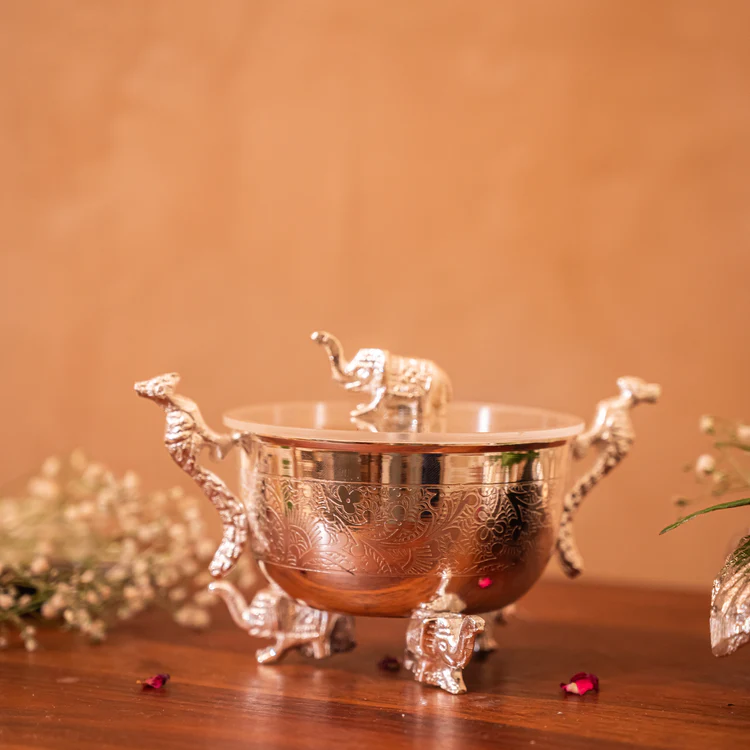
German Silver Plated Gifts frequently take the form of small trays, boxes, or accent pieces that offer reflectivity and resistance to everyday handling. When incorporated into hampers, these items supply lasting utility alongside decorative clarity. The alloy’s response to engraving and polishing produces clean detail that photographs and presents well, supporting both personal and institutional selections.
Protective packaging becomes relevant for plated surfaces during transit. Assemblers who understand the material’s behaviour can reduce the risk of abrasion or uneven wear before the hamper reaches its recipient.
Domestic and Housewarming Combinations
Moving into a new residence prompts gifts that support household establishment. Hampers for this purpose often mix practical containers or trays with mildly ornamental pieces. Metal objects again appear because of durability and ease of maintenance. The overall selection aims at forms that integrate into daily routines while carrying positive association.
Regional craft strengths influence the specific contents. Centres known for metal finishing or related techniques contribute components that give the assembly a coherent material identity. The hamper format allows these elements to sit alongside textiles or other complementary items without requiring a single dominant medium.
Scale Considerations in Assembly
Individual hampers prepared for personal occasions may incorporate greater variation and more elaborate presentation. Larger requirements, whether for weddings or institutional distribution, prioritise repeatability and reliable component supply. Workshops organised for both single pieces and controlled batches enable assemblers to meet either demand while preserving acceptable levels of hand finish.
Consistency of component dimensions and weight simplifies packing and shipping. Buyers reviewing options typically examine several units from a proposed set to confirm that natural variation remains within practical limits and that presentation standards hold across the group.
Evaluation Criteria Across Types

Several factors recur when assessing different hamper forms. Coherence of theme or material prevents the collection from appearing arbitrary. Durability of non-perishable components ensures continued value after consumable items are used. Packaging that protects contents while remaining presentable affects both transit and first impression. Occasion suitability further refines the choice - festival sets emphasise symbolic and sensory qualities, anniversary selections prioritise refinement, and return-gift packages focus on practicality and quantity.
Matching these expectations to actual contents produces more effective results than relying on generic combinations. Knowledge of workshop specialisation — whether in brass, German silver, or mixed media — further supports informed selection.
Read Also: How Do the Best Gift Websites in India Support Local Artisans?
Conclusion
Popular handmade gift hampers in India encompass festival collections, anniversary sets, wedding tokens, and domestic occasion assemblies. Each type responds to distinct social requirements while sharing the underlying logic of coherent combination. Festival-oriented pieces and Handmade Festival Gifts in India emphasise symbolic materials and reflective surfaces. Personal milestones draw on refined forms such as those associated with Handmade Wedding Anniversary Gifts in Jaipur. Ceremony distributions rely on practical Wedding Return Gifts. Material categories including Brass Gift Items and German Silver Plated Gifts contribute durable, visually clear components across multiple formats. Together, these variations illustrate how regional craft skills, occasion awareness, and scalable assembly continue to shape patterns of giving.
Frequently Asked Questions (FAQs)
Que. What defines popular Gift Hampers in India?
Ans. Coherent collections that combine complementary handmade items — often mixing durable objects with consumables — packaged for a specific festival, personal milestone, or social ritual.
Que. How do Handmade Festival Gifts in India differ from other sets?
Ans. They typically emphasise symbolic colours, reflective surfaces, and auspicious associations linked to particular celebrations while retaining secure construction for transport and later use.
Que. What characterises Handmade Wedding Anniversary Gifts in Jaipur?
Ans. Refined surface detail, balanced proportions, and durable metal or mixed-media forms suited to shared domestic settings, drawing on the city’s established craft skills.
Que. Why are Wedding Return Gifts often chosen in metal?
Ans. Compact metal pieces offer consistency across large quantities, structural strength, ease of transport, and lasting utility for diverse recipients.
Que. What advantages do Brass Gift Items and German Silver Plated Gifts offer in hampers?
Ans. Both materials accept fine finishing and provide durable, visually clear components that balance lighter contents and retain value after the hamper is opened.
Comments
Post a Comment