What Types of Handcrafted Gifts Are Popular in India?

India maintains a wide range of living craft traditions that continue to supply objects for personal and institutional giving. These traditions draw on regional materials, specialised techniques, and long-established design vocabularies. Handcrafted gifts remain popular because they combine functional use with visible evidence of human skill and cultural continuity. Understanding the main categories and their typical applications helps explain current patterns of preference.
Several craft families appear repeatedly across gifting contexts. Textiles, ceramics, metalwork, wood objects, and small-scale decorative items form the core. Their suitability varies according to occasion, scale of giving, and the degree of formality required. The following sections outline the principal types and the settings in which they are commonly chosen.
Core Categories of Handcrafted Production
Textile-based items occupy a prominent place. Block-printed fabrics, embroidered textiles, handloom scarves, and stitched accessories reflect regional techniques from different parts of the country. These objects are lightweight, relatively durable, and adaptable to varied tastes. Ceramic and pottery forms, including blue pottery and terracotta, offer another established category. Their appeal lies in surface decoration, colour, and the tactile quality of the material.
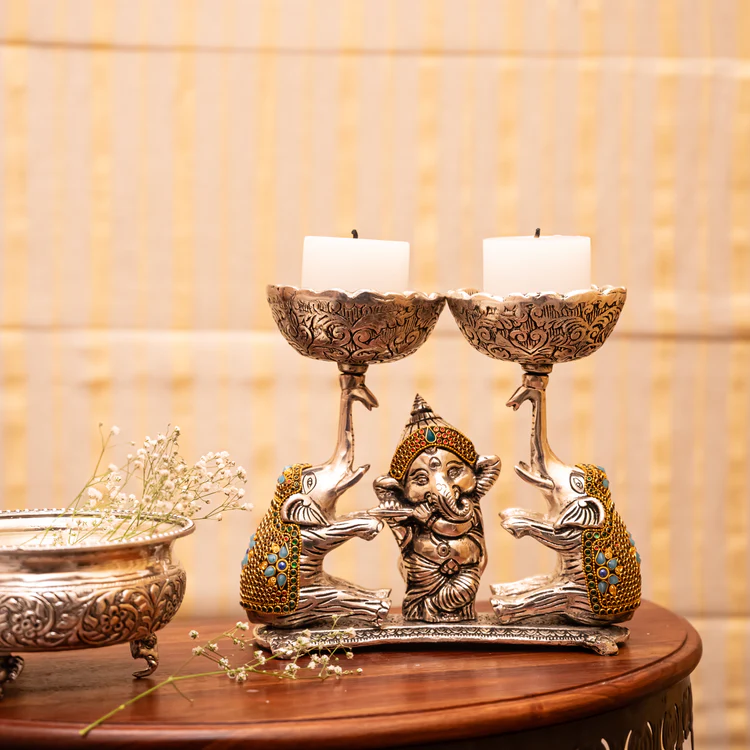
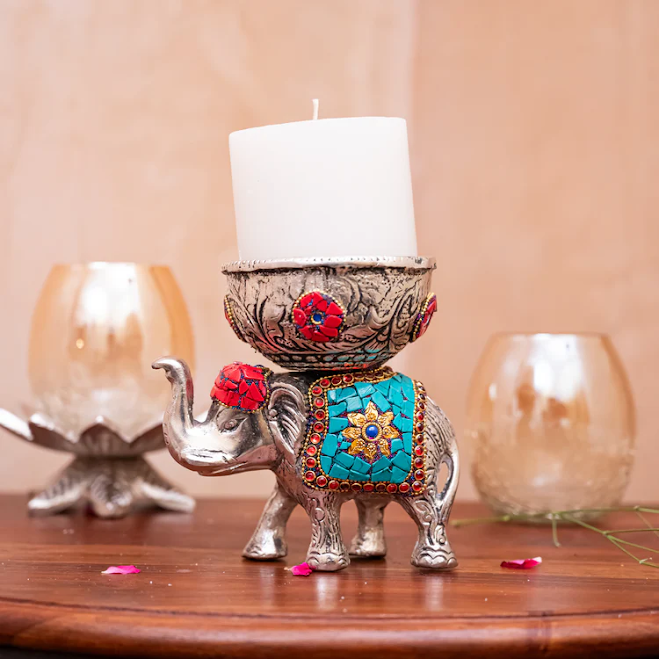
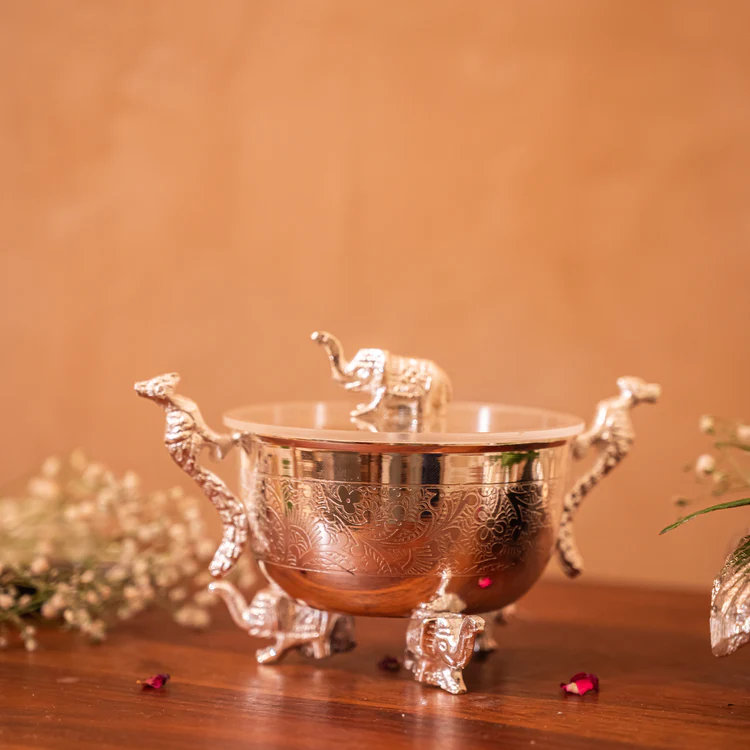
Metal crafts—brass, copper, and occasionally silver forms—provide durability and a sense of permanence. Wood objects, lacquer work, and small stone or resin items complete the frequently encountered range. When people look for Handcrafted Gifts in India, these material groups usually form the starting point because they balance recognisable craft identity with practical usability.
Festival-Oriented Handcrafted Choices
Festivals create recurring demand for objects that feel appropriate to seasonal and cultural observance. Colour, motif, and symbolic association influence selection. Textile pieces with traditional patterns, decorated ceramics, and compact metal items are frequently chosen because they can be displayed or used without requiring extensive care.
Best Handcrafted Festival Gifts in India often emphasise visual warmth and cultural reference. Items that incorporate familiar motifs or regionally significant techniques tend to align well with the expectations of festival exchange. The handcrafted character of the work supports the impression of deliberate selection rather than routine purchasing.
Anniversary and Personal Milestone Gifting
Wedding anniversaries and similar personal milestones often call for objects that suggest continuity and care. Durable materials and restrained design generally suit these contexts better than purely decorative or fragile pieces. Textile items of higher finish quality, well-made metal objects, and carefully formed ceramics appear regularly in this category.
Best Handcrafted Wedding Anniversary Gifts in India typically prioritise material integrity and understated aesthetic coherence. The visible presence of skilled making adds a layer of meaning that many recipients value. Consistency in finishing and structural soundness remain important because these gifts are often retained over long periods.
Volume Requirements and Coordinated Production

Some gifting situations require multiple units of similar items. Workshops and producer groups accustomed to coordinated output can supply repeated designs while retaining core features of hand processes. Complete uniformity is rarely the goal; controlled variation within acceptable quality limits is more common.
Handcrafted Bulk Gifts in India serve organisational, community, or large-family needs. Success in this segment depends on clear specification of quantities, timelines, and quality parameters. When these elements are managed effectively, buyers can distribute items that still reflect craft origin rather than fully industrial production.
Wedding Return Gift Practices
Return gifts given to wedding guests function as tokens of appreciation. They need to be appropriate in size, easy to transport, and sufficiently distinct to feel intentional. Compact textile items, small ceramic pieces, simple metal objects, and other modestly scaled crafts are widely used.
Handcrafted Wedding Return Gifts in India benefit from the country’s dense network of small-scale producers. Coordinated production of larger numbers of smaller items is a familiar requirement. When execution remains careful, the gifts retain a connection to craft practice even at the volumes needed for wedding hospitality.
Institutional and Corporate Applications
Organisations frequently seek gifts that convey regard while remaining suitable for professional contexts. Objects that balance cultural reference with restrained form tend to perform better than highly personal or fragile items. Consistent quality across a set of gifts and reliable supply coordination are practical necessities.
Handcrafted Corporate Gifts in India are often selected for their combination of regional character and adaptable design. Items that avoid excessive ornamentation while still showing clear craft quality align with many institutional preferences. Platforms and suppliers that can maintain standards across repeated orders support more predictable outcomes in this category.
Regional Diversity and Technique
India’s craft map is highly differentiated by region. Block printing and certain textile traditions are strongly associated with specific states. Blue pottery and particular forms of metalwork link to other centres. Bamboo, cane, and specific wood-carving practices appear in further regions. This geographic diversity means that handcrafted gifts can carry distinct regional signatures even within the same broad material category.
Buyers who pay attention to technique and origin gain a clearer sense of what they are selecting. Knowledge of typical materials and methods also helps in evaluating quality claims and in setting realistic expectations about variation and durability.
Practical Evaluation Points
Regardless of category or occasion, certain checks improve the likelihood of satisfaction. Material soundness, structural integrity, and finishing consistency provide a baseline. For textiles, edge finishing and colour stability matter. For ceramics, the evenness of the surface and the absence of cracks are relevant. For metal objects, surface treatment and joint quality deserve attention.
Understanding the production context adds further clarity. Items made under more organised workshop conditions often show greater predictability than those produced through highly fragmented arrangements. Clear information about care requirements supports a longer useful life once the gift is received.
Cultural Continuity and Contemporary Adaptation

The continued popularity of handcrafted gifts reflects both the persistence of skilled techniques and the ability of producers to adapt forms to current social needs. Traditional methods remain visible, yet scale, finish, and design emphasis shift according to the demands of festivals, personal milestones, weddings, and institutional giving. This combination of continuity and responsiveness keeps the crafts relevant.
From an analytical perspective, the enduring preference for these objects rests on their capacity to carry information about skill, material, and place. In a market that also offers many standardised alternatives, the presence of hand processes and regional identity continues to differentiate craft-based gifts.
Read Also: What Should You Look for in the Best Gifting Websites in India?
Conclusion
Popular handcrafted gifts in India draw primarily from textile, ceramic, metal, and wood-based traditions. These categories supply objects that serve festival, personal, bulk, wedding, and corporate purposes while retaining visible links to skilled making and regional practice.
Handcrafted Gifts in India gain their character from this combination of technique and cultural reference. Best Handcrafted Festival Gifts in India emphasise seasonal and symbolic suitability. Best Handcrafted Wedding Anniversary Gifts in India prioritise durability and understated quality. Handcrafted Bulk Gifts in India address volume needs with controlled consistency. Handcrafted Wedding Return Gifts in India focus on appropriate scale and intentional character. Handcrafted Corporate Gifts in India balance cultural interest with professional suitability. When buyers attend to material quality, structural soundness, and production reliability, they are better placed to select pieces that meet both practical and meaningful requirements of giving.
Frequently Asked Questions
What are the most common materials used in Indian handcrafted gifts?
Textiles, ceramics, brass and other metals, wood, and lacquer appear most frequently across different regions and product types.
Why are handcrafted items often preferred for festivals and weddings?
They combine cultural reference, visible skill, and a sense of deliberate selection that many people associate with significant occasions.
Can handcrafted gifts be produced in larger quantities?
Yes. Many producer groups supply coordinated volumes while retaining core features of hand processes, provided specifications and timelines are clearly defined.
What should be checked before selecting a handcrafted gift?
Material integrity, finishing quality, structural soundness, and accuracy of any claims about technique or origin are practical points of evaluation.
How do corporate handcrafted gifts differ from personal ones?
Corporate selections usually emphasise restrained design, consistency across multiple units, and suitability for professional contexts, while personal gifts may prioritise individual character more strongly.
Comments
Post a Comment