What Types of Gift Hampers Are Popular in India?

Gift-giving in India frequently takes the form of assembled collections rather than single objects. These collections, commonly known as hampers, combine several items that share a theme, material, or occasion. Understanding the types of Gift Hampers that circulate widely requires attention to cultural calendars, social rituals, material preferences, and practical requirements of scale. The resulting variety reflects both long-standing practices and contemporary adaptations.
Core Characteristics of Popular Gift Hampers
A hamper typically gathers complementary objects into a single presentation. The contents may include food items, decorative pieces, utilitarian household goods, or small personal accessories. What unifies them is a coherent visual or functional logic and packaging that supports transport and display. Popularity arises when the combination matches the expectations of a particular social moment—festival, wedding, corporate event, or personal milestone—while remaining practical to assemble and deliver.
Material choices influence both appearance and longevity. Metal objects, textiles, ceramics, and packaged consumables each contribute different qualities of weight, surface, and perishability. Hampers that balance these qualities tend to travel better and retain their intended character after arrival.
Festival-Oriented Assemblies
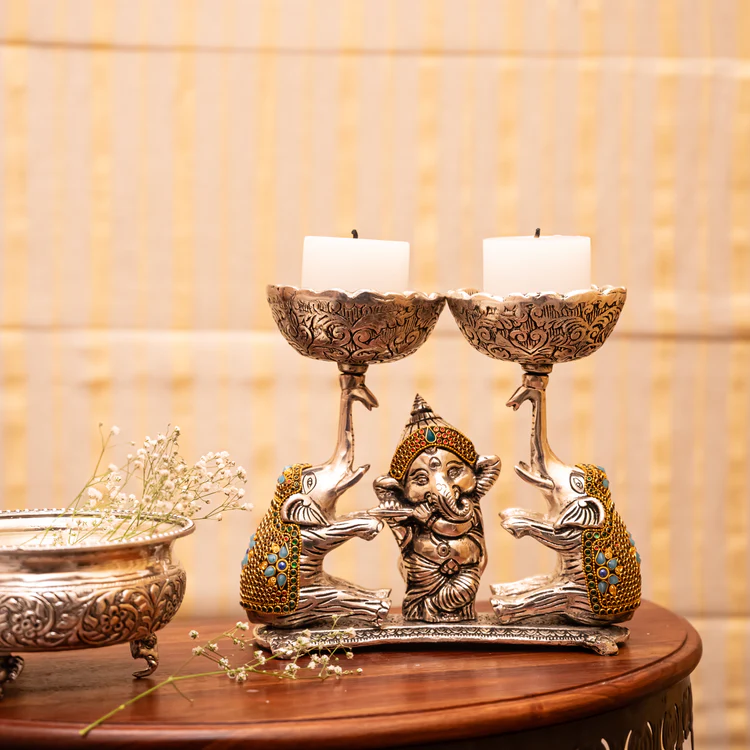
Seasonal festivals generate recurring demand for themed collections. Diwali, in particular, encourages combinations that emphasise light, sweetness, and auspicious association. Typical contents may include decorative metal items, sweets or dry fruits, candles or diyas, and small textile pieces. The visual language often favours warm metallic tones and reflective surfaces that align with the festival’s symbolic focus on illumination.
Other festivals produce their own variations. Harvest celebrations may lean toward agricultural products and utilitarian craft objects, while regional new-year observances incorporate locally significant foods or forms. In each case, the hamper format allows multiple modest items to convey collective meaning more effectively than a single object of equivalent value.
Wedding-Related Presentations and Return Gifts
Weddings involve extensive exchange of gifts and tokens of appreciation. Wedding Return Gifts occupy a distinct category within this circulation. These are items distributed by the host family to guests as a gesture of thanks. Practicality, durability, and ease of transport rank high among selection criteria because quantities are often large and recipients are diverse.
Hampers designed for this purpose frequently contain small, well-finished objects that guests can use or display. Metal containers, trays, or decorative pieces appear regularly because they combine visual presence with functional potential. The scale of wedding events also encourages standardised yet thoughtfully assembled sets that maintain consistency across hundreds of units.
Corporate and Institutional Formats

Professional contexts generate demand for collections that communicate appreciation or mark formal occasions without excessive personalisation. These hampers often favour restrained design, durable materials, and contents that suit office or home environments equally. Dry fruits, quality tea or coffee, small desk accessories, and carefully finished metal or wooden objects are common components.
The institutional requirement for larger quantities links this category to Wholesale Gift Hampers. Suppliers capable of producing consistent batches while preserving acceptable levels of hand finish or material quality meet the dual needs of volume and presentability. Clear specifications regarding size, weight, and surface treatment help maintain uniformity across an order.
Material-Specific Popularity: Metal and Plated Objects
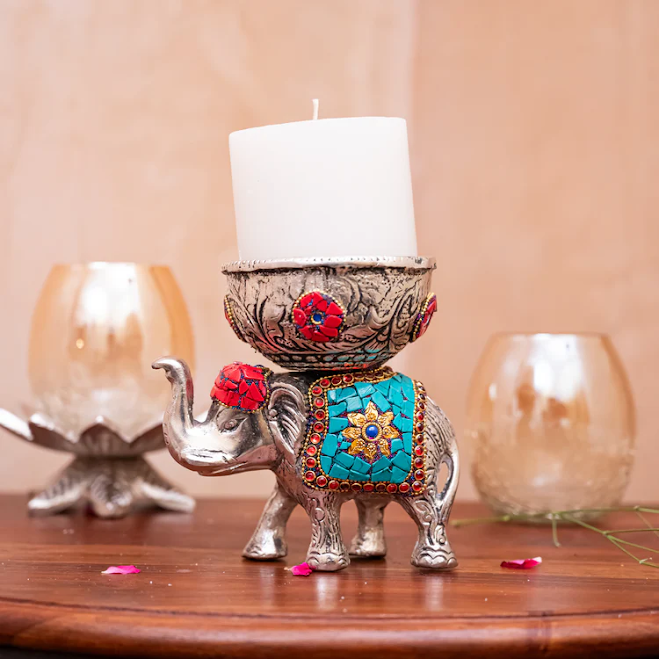
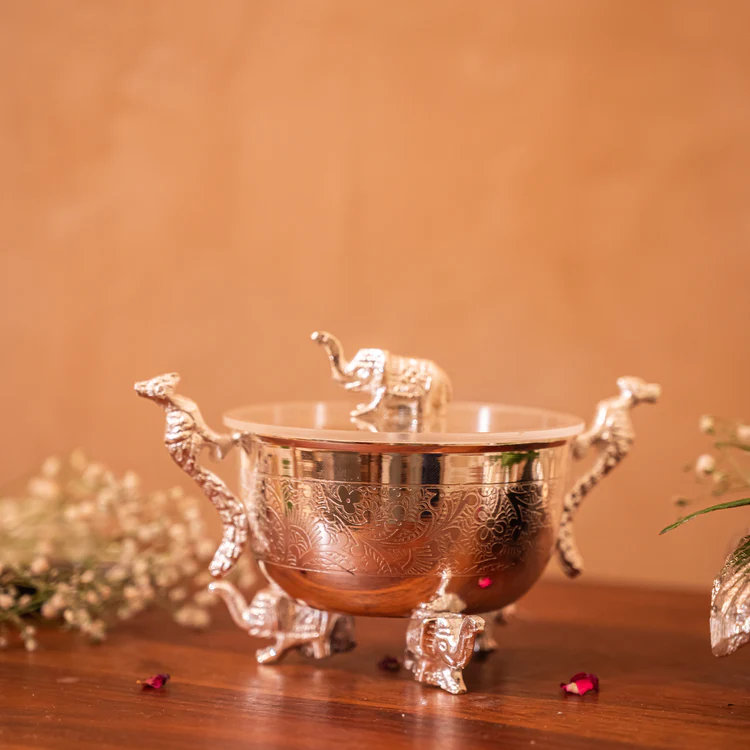
Certain materials recur across multiple hamper types due to their functional properties and cultural associations. Brass and related alloys accept detailed surface work and develop attractive patinas or polished finishes. German Silver Plated Gifts illustrate one specialised subset. German silver, a nickel-containing alloy, provides a bright, durable base that can be plated or finished to enhance reflectivity and resistance to everyday handling. Small trays, bowls, boxes, and decorative forms produced in this material appear frequently in both personal and institutional hampers.
The alloy’s capacity for fine engraving or simple geometric patterning allows visual interest without excessive fragility. When incorporated into hampers, these pieces contribute weight and presence that balance lighter consumable items. Their longevity also means the gift continues to function after the accompanying perishable contents have been used.
Housewarming and Domestic Occasions
Moving into a new residence prompts gifts that support household establishment. Hampers for this purpose often combine practical objects with decorative ones—containers for storage, trays for serving, textile items for daily use, and small accent pieces. The emphasis falls on forms that integrate readily into domestic routines while carrying positive associations.
Metal objects again feature prominently because of durability and ease of cleaning. Combinations that include both utilitarian and mildly ornamental items allow the recipient to put parts of the hamper to immediate use while retaining others for display.
Scale and Assembly Considerations
The distinction between individual and bulk assembly shapes popular formats. Single hampers prepared for personal occasions may incorporate greater variation and more elaborate packaging. Wholesale Gift Hampers prioritise repeatability, efficient packing, and reliable supply of component items. Workshops and assemblers that maintain stable sources for metal pieces, textiles, and packaged foods can meet larger orders without a progressive decline in finish quality.
Consistency of component size and weight simplifies both packing and shipping. Buyers evaluating bulk options typically examine several sample units to confirm that variation remains within acceptable limits and that presentation standards hold across the batch.
Regional and Craft Influences
Many popular hampers draw on regional craft strengths. Metalwork from centres known for casting and finishing, textile elements from areas with strong weaving or printing traditions, and ceramic accents from specialised pottery clusters all appear in contemporary assemblies. The hamper format allows these regional contributions to coexist within a single presentation, creating layered references to different craft ecosystems.
German silver-plated gifts produced in workshops experienced with alloy work exemplify how a specific technical capacity feeds into broader gifting patterns. The same applies to other materials: the availability of reliable hand-finished components enables assemblers to construct hampers that retain visible links to artisanal practice even at moderate or large scale.
Practical Evaluation Criteria

When assessing different types of hampers, several factors recur. Coherence of theme or material prevents the collection from appearing arbitrary. Durability of non-perishable components ensures lasting value. Packaging that protects contents while remaining presentable affects both transport and first impression. For bulk requirements, demonstrable consistency across units becomes decisive.
Occasion suitability further refines the choice. Festival hampers emphasise symbolic and sensory qualities; wedding return selections prioritise practicality and quantity; corporate formats favour restraint and broad acceptability. Matching these expectations to the actual contents produces more effective results than relying on generic assemblages.
Read Also: How Do the Best Gifting Websites in India Reflect Local Art?
Conclusion
Popular Gift Hampers in India encompass festival collections, wedding-related tokens, corporate presentations, and domestic occasion sets. Each type responds to distinct social requirements while sharing the underlying logic of coherent assembly. Wholesale Gift Hampers address the need for volume and consistency, particularly in institutional and wedding contexts. Wedding Return Gifts form a specialised subset that balances practicality with presentability across large numbers of recipients. German Silver Plated Gifts contribute durable, visually clear metal components that appear across multiple hamper categories. Together, these forms illustrate how material knowledge, occasion awareness, and scalable assembly combine to shape contemporary patterns of giving.
Frequently Asked Questions (FAQs)
What defines a typical gift hamper assembly in India?
A coherent collection of complementary items—often mixing durable objects with consumables—packaged for a specific occasion or theme.
Why are Wholesale Gift Hampers in demand?
They meet the requirement for consistent, presentable sets at larger volumes needed for corporate events, weddings, and institutional distribution.
What role do Wedding Return Gifts play?
They serve as tokens of appreciation distributed by hosts to guests, prioritising durability, ease of transport, and broad acceptability.
Why do German Silver Plated Gifts appear frequently in hampers?
The alloy offers a bright, durable surface that accepts fine finishing and contributes lasting utility alongside decorative presence.
How do festival hampers differ from other types?
They emphasise symbolic colours, reflective surfaces, and auspicious associations specific to the celebration, often incorporating both decorative and edible elements.
Comments
Post a Comment