Why Are Handcrafted Gifts in India Gaining Popularity?

In recent years, there’s been a quiet shift going on in how Indians choose gifts for their loved ones, colleagues, and special occasions. Folks are turning away from mass-produced stuff towards something more meaningful, more personal even. This increasing curiosity seems tied to deeper priorities around tradition, sustainability, and steadily lending community support. Handcrafted Gifts India has captured attention because they tell stories of skilled hands and rich heritage.
The Cultural Roots Driving Demand
India’s diverse cultural landscape plays a central part in this trend. Every region has its own crafts, passed on through generations, even if people do not always notice. You can see it in Rajasthan’s intricate woodwork and blue pottery, or in South India’s brass and stone carvings. When someone chooses a handcrafted piece, they are really linking the recipient to a living heritage, not just giving an object. Academic experts in cultural studies mention that these gifts improve social bonds, because they hold symbolic meaning tied to festivals, weddings, and major milestones.
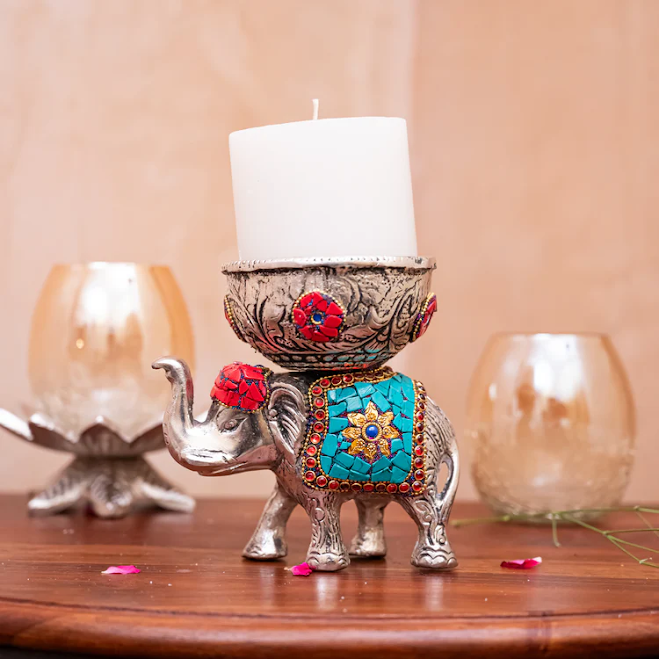
Handmade Festival Gifts in India, for instance, align perfectly with celebrations like Diwali, Eid, or Holi. Rather than generic sweets or gadgets, families now favor things that carry the spirit of the moment, maybe a hand-embroidered rangoli-inspired piece or eco-friendly diyas. These selections feel authentic and respectful toward traditions, yet still practical for daily use.
Sustainability and Ethical Appeal
One of the strongest reasons for the growing popularity is environmental awareness, and yeah, people are paying more attention now. Consumers today understand what fast consumption does. Handcrafted products usually rely on natural materials and tend to include minimal industrial processing, so the carbon footprint stays lower. Specialists in sustainability often explain that backing handicrafts helps reawaken green practices that came from rural economies in the first place.
This ethical side resonates a lot. Buyers know their purchase backs artisan communities, many of them in rural areas, and that helps keep livelihoods steady without heavy reliance on factories. Research indicates that mindful customers often choose products that encourage fair trade and reduce waste, so handcrafted options feel like a natural match.
Personalization and Uniqueness in Special Occasions

Modern gift-givers value individuality. No two handcrafted items are exactly alike, which adds emotional depth. This is especially evident in personal events like anniversaries and weddings.
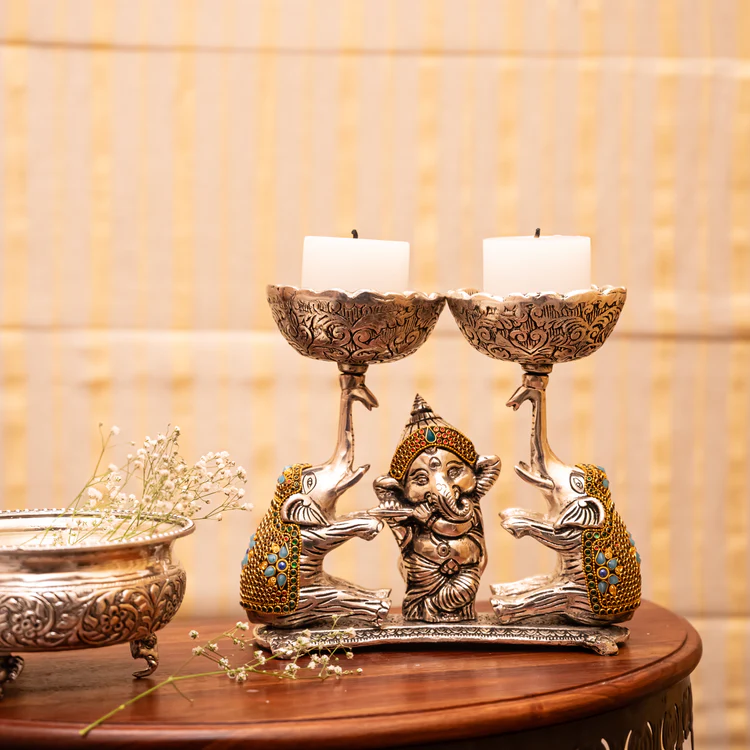
Handmade Wedding Anniversary Gifts in Jaipur stand out for their blend of royal heritage and fine detailing. Jaipur artisans really shine with skills like meenakari, gemstone inlay, and marble work. They make timeless keepsakes that couples hold onto for years, even when life moves fast. These pieces go past everyday usefulness and become family heirlooms that quietly stand for lasting love and shared recollections.
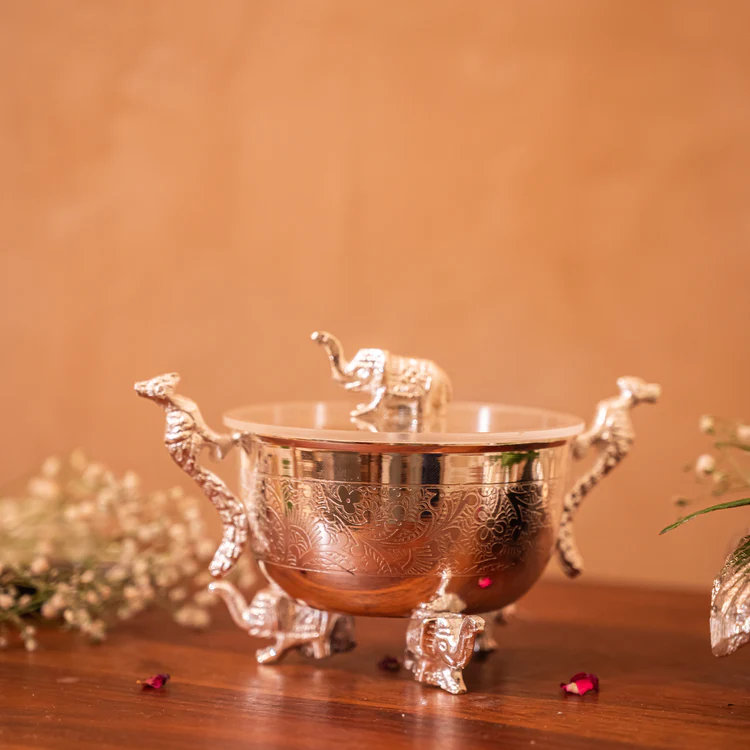
Similarly, guests and hosts seek meaningful tokens for wedding events. Best Handcrafted Wedding Return Gifts in Jaipur usually come with beautifully finished little things, like miniature sculptures, customized trays, or decorative boxes. These gifts make a lasting impression; they show gratitude, yet also quietly highlight local craftsmanship. Families often say it feels more sincere, less obligatory, you know, and that matters.
Economic and Community Benefits
Beyond personal decisions, the handicraft sector still feeds into India’s economy in a big way. It offers employment to millions, especially women and people from rural populations, with rather modest capital investments. There are also government initiatives and market trends that help lift visibility. That way, artisans can connect with broader audiences, even when the starting point looks limited.
Best Handcrafted Wholesale Gifts in India caters to businesses and bulk buyers looking for quality at scale. Suppliers offer varied options that maintain authenticity while meeting demand for corporate or festive gifting. This accessibility has encouraged more people and organizations to incorporate handmade elements into their traditions.
Role in Professional Settings
Corporates have also recognized the value of meaningful gifting. Handcrafted Corporate Gifts in India help companies make stronger rapport with clients, employees, and partners. Things like engraved wooden plaques, handwoven bags, or artisan desk accessories give a real sense of appreciation and brand values that match sustainability and local culture. Specialists in organizational behavior point out that these gifts build deeper emotional bonds compared to regular promotional merchandise.
Brands like Gharano, located in Jaipur, show what this space is about by putting together collections that merge customary methods with present-day attractiveness. Their way of working points to how carefully crafted gifts can act at the same time as a guard for heritage and as a response to present requirements, without sacrificing on quality or ethics.
Challenges and the Path Forward
Even with the growth, the sector is still dealing with stuff like relentless market competition from machine-made alternatives, and there is this need for more solid artisan training plus real marketing support. Still, digital platforms are expanding, and consumer education is spreading, so a lot of these hurdles are being eased. Researchers keep pointing out that staying on the path of quality, storytelling, and fair compensation will hold the momentum in place.
Consumers also have a key role, but in a more daily way, when people choose consciously. The more individuals move toward handcrafted pieces, the more this positive cycle grows: artisans thrive, traditions continue, and the environment benefits.
Embracing a Thoughtful Future

The popularity of handcrafted gifts points to a wider longing for togetherness in a world that keeps getting more digital. Those pieces connect past with present, countryside with city, old custom with fresh ideas. Whether you are buying for festivals, weddings, anniversaries, or even corporate milestones, it gives more than mere objects; they carry narratives, principles, and little remembrances.
As more people notice, the respect for the makers behind each creation also rises. Picking handcrafted gifts in India is not only a passing phase; it feels like a genuine way to help a lively network of artisans while honoring life’s major occasions. The days ahead look bright, because more individuals and organizations are realizing the enduring effect of caring, handmade giving.
Conclusion
The surge of handcrafted gifts in India comes from this sort of balanced mix: cultural pride with something like environmental responsibility, economic empowerment, and emotional resonance that feels personal. When we lean into these small treasures, we are not just honoring our heritage but also putting resources into a more sustainable and connected society, and it helps people feel seen and valued. This shift encourages everyone - from families planning festivals to businesses building relationships - to consider the deeper value behind each gift. Moving forward, supporting artisans through informed choices will ensure these traditions continue to flourish for generations to come.
Comments
Post a Comment