Why are Handmade Gifts Considered More Meaningful?

Handmade gifts carry a special place in our hearts because they go beyond material value. In a fast-paced world filled with mass-produced items, people often seek gestures that feel personal and sincere. Experts in psychology and social sciences have studied why Handmade Gifts stand out, and their findings point to deeper emotional and relational benefits.
Psychology Behind the Meaning
Research from social psychology highlights that handmade gifts signal effort, thoughtfulness, and care. When someone creates or chooses a gift made by hand, it activates feelings of connection. Studies show that the act of giving such a gift boosts empathy and strengthens relationships. The receiver often perceives it as containing more "love" compared to a machine-made item.
One key reason is the perception of uniqueness. A handmade item is rarely perfect in a factory sense, but those small imperfections tell a story of human effort. Psychologists note that this authenticity creates a "warm glow" effect—not just for the giver but also for the recipient. Brain imaging research reveals that gift-giving, especially thoughtful ones, lights up areas linked to pleasure, trust, and social bonding, releasing hormones like oxytocin that foster closeness.
Personalization plays a big role too. A 2024 study from the University of Bath found that customized or thoughtfully selected gifts raise the recipient's self-esteem and create "vicarious pride." The receiver feels cherished because the gift mirrors the giver's understanding of them. Handmade options naturally lend themselves to this because they often involve skill, time, and intention rather than quick purchases.
Crafting itself benefits the maker. Engaging in hands-on work can reduce stress, improve mood through increased serotonin levels, and promote mindfulness. This positive state then transfers into the gift, making the entire exchange more meaningful.
In contrast, store-bought items, while convenient, can sometimes feel generic. Academic experts in consumer behavior explain that handmade gifts promote stronger social relationships precisely because they feel less transactional and more relational.
Cultural Roots in India

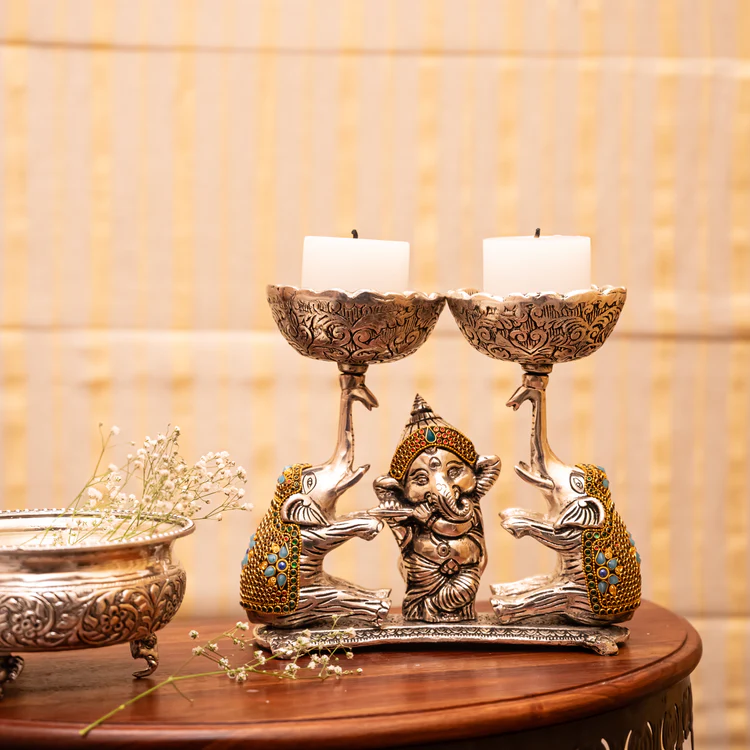
In India, the tradition of giving handmade gifts or handicrafts runs deep. Festivals, weddings, and life milestones have long involved items crafted by artisans, reflecting heritage and blessings. For instance, during Ganesh Chaturthi or other celebrations, a Ganesh idol made through traditional methods symbolizes wisdom, prosperity, and the removal of obstacles. Families give these not just as decor but as carriers of good wishes for new beginnings.
Housewarming occasions often feature Housewarming Gifts for New Homeowners rooted in culture. A handcrafted piece brings positive energy into a new space, marking the start of a fresh chapter with warmth and intention. Indian handicrafts, passed down through generations, embody stories of skill and community, making them ideal for such moments.
Weddings and anniversaries follow similar patterns. Handmade wedding anniversary gifts celebrate enduring bonds with items that reflect shared history or future hopes. These gifts align with the idea that relationships thrive on effort and memory, not just expense.
Even in bulk scenarios, like corporate events or large family gatherings, thoughtful Bulk Gifts that are handcrafted stand apart. They show appreciation without losing the personal touch, especially when selected with care for the occasion.
Everyday Examples of Meaningful Gifting
Consider a birthday celebration. Instead of something off the shelf, handicraft gifts for birthday allow the giver to choose or commission pieces that match the person's tastes—perhaps a beautifully carved item or a textile with cultural motifs. The recipient remembers the thought long after the day ends.
Festival Gift Hampers offer another layer. When these hampers include handmade elements, they transform from simple assortments into curated experiences of joy and tradition. They might combine artisanal sweets, decor, or utility items, all tied together with a sense of festivity and care.
The key lies in intention. Academic views on gift-giving suggest that experiential or effortful gifts create lasting memories. Handmade items often blend both—they are tangible yet evoke emotions tied to the maker's process and the giver's choice.
In Indian contexts, this resonates strongly. Handicrafts support artisans and keep cultural practices alive while adding layers of meaning. A Ganesh Idol placed in a new home or a handcrafted piece given on an anniversary becomes more than an object; it serves as a daily reminder of love and blessings.
Why Effort Matters More Than Perfection
Experts emphasize that the value of handmade gifts comes from the story behind them. The time invested signals that the recipient is worth the effort. This perception holds across cultures but feels particularly relevant in India, where gifting often carries spiritual or emotional weight.
Social psychology research confirms that handmade gifts enhance relationship satisfaction because they communicate authenticity. In an era of automation and quick commerce, choosing something crafted by hand stands as a quiet rebellion against impersonality. It says, "I see you, and I cared enough to find or select something unique."
This does not mean every gift must be DIY from scratch. Supporting skilled artisans who create handicraft gifts carries similar value. The craftsmanship, materials, and traditional techniques infuse the item with human touch and heritage.
For new homeowners, housewarming gifts that are handcrafted help establish a sense of belonging and positivity. For couples marking years together, Handmade Wedding Anniversary Gifts honor the journey with something timeless.
Even when planning bulk gifts for events, opting for handcrafted options ensures each recipient feels individually valued rather than part of a uniform distribution.
Balancing Tradition and Modern Life

Today, people balance busy schedules with the desire for meaningful connections. Handmade gifts bridge this gap. They do not require hours of personal crafting if time is limited—one can choose from ethical artisans or curated collections that prioritize quality and tradition.
Psychological studies consistently show higher appreciation for gifts perceived as made with care. Recipients report feeling more connected, and givers experience greater satisfaction from the act.
In Indian festivals, festival gift hampers that feature handicrafts add a layer of cultural pride. A Ganesh idol or similar piece becomes a focal point of celebration and reflection.
Ultimately, the meaning stems from human elements: time, skill, intention, and emotion. These elements turn a simple object into a lasting token of relationship.
Conclusion
Handmade gifts feel more meaningful because they embody effort, uniqueness, and emotional depth that mass-produced items often lack. Psychology and social science research support this view, showing stronger bonds, increased appreciation, and positive emotional responses linked to thoughtful, crafted presents. In Indian culture, where traditions like gifting a Ganesh idol or selecting housewarming gifts for new homeowners carry blessings and heritage, handicrafts naturally enhance these moments.
Whether for birthdays through handicraft gifts for birthday, anniversaries with handmade wedding anniversary gifts, festive occasions via festival gift hampers, or larger needs with bulk gifts, the principle remains the same: meaning arises from care and connection, not cost or convenience.
In a world that moves quickly, pausing to choose or support something handmade reminds us of what truly matters—relationships built on sincerity and shared humanity. Next time you select a gift, consider how a handcrafted option might create that extra layer of warmth and memory. The experts agree: it is often the thought, effort, and human touch that linger longest.

Comments
Post a Comment